
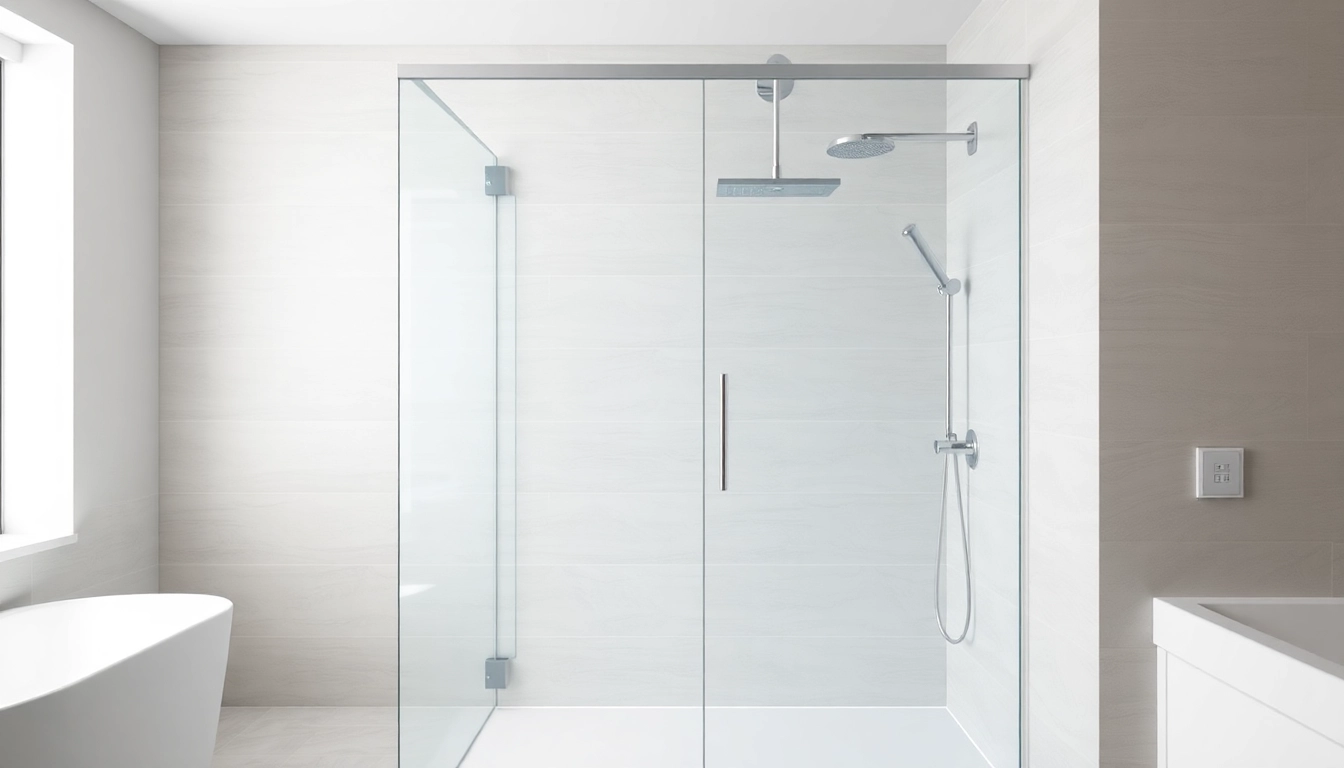
Introduction to Wet Room Shower Screen
In the world of modern bathroom design, functionality meets elegance, and one striking feature that exemplifies this trend is the wet room shower screen. This innovative addition not only enhances the aesthetic appeal of your bathroom but also elevates its practicality. With the growing trend towards open and spacious layouts, wet room shower screens provide an ideal solution for homeowners looking to maximize their space while maintaining a chic and contemporary atmosphere. This article will delve into the specifics of what a wet room shower screen is, its numerous benefits, the different types available, design considerations, installation process, maintenance, and more.
What is a Wet Room Shower Screen?
A wet room shower screen is a glass barrier designed to separate the shower area from the rest of the bathroom, typically in a wet room where water can flow freely on the bathroom floor. Unlike traditional shower curtains or doors, a wet room shower screen is sleek, modern, and significantly enhances the visual appeal of your space. These screens can either be fixed panels or hinged doors, and they typically come in various sizes and styles to suit different layouts and tastes.
Benefits of Using a Wet Room Shower Screen
Choosing a wet room shower screen offers numerous benefits, including:
- Enhanced Aesthetics: With their minimalist appearance, wet room shower screens create a sleek look that instills a sense of luxury in your bathroom.
- Functionality: The transparent nature of these screens allows natural light to flow, making the bathroom feel brighter and more spacious.
- Accessibility: Wet rooms are easily accessible, allowing for smoother mobility, particularly for people with reduced mobility or disabilities.
- Water Containment: Wet room shower screens efficiently contain water within the shower area, minimizing moisture exposure to the rest of the bathroom.
- Easy Maintenance: With fewer nooks and crannies than traditional shower doors, cleaning is simpler and quicker.
Types of Wet Room Shower Screen Available
There are several types of wet room shower screens, each offering different styles and functionalities:
- Fixed Panels: These are stationary glass panels that create a barrier without obstructing the view or space, perfect for open layouts.
- Hinged Doors: This type swings open to allow easy access to the shower area, ideal for smaller spaces where a fixed panel may not be practical.
- Bi-Fold Doors: These doors fold back against the wall, optimizing space usage and providing more room when entering or exiting the shower.
- Curved Screens: Designed to better contain water, these screens can create a unique aesthetic, fitting snugly into corners.
- Frameless Models: These contemporary options have no visible hardware, creating a seamless look that enhances the overall elegance of the bathroom.
Design Considerations for Wet Room Shower Screens
When planning your bathroom design, it is crucial to consider various elements that will impact the overall appearance and functionality of your wet room shower screen. Here are some key considerations:
Space Planning and Layout
The layout of your bathroom is foundational to the right choice of wet room shower screen. Analyze the space you have available—avoid overcrowding by ensuring that the screen complements the overall flow of the room. Consider placing the shower in a way that maximizes privacy, yet still keeps the open feel of the wet room. You might want to include additional features, such as shelves or hooks, to ensure the space remains functional.
Choosing the Right Materials
When selecting a wet room shower screen, materials play a significant role in both the aesthetic and functional aspects. Most screens are made of glass, which can be tempered or laminated for enhanced safety. Consider styles like clear, frosted, or patterned glass, depending on your preferred level of privacy. Metal frames can add a touch of industrial chic, while frameless options create a more seamless look. Additionally, always verify if the materials are suitable for a humid environment, ensuring longevity and durability.
Color and Aesthetic Pairing
Your choice of color and the overall aesthetic of the wet room should harmonize. Neutral colors such as whites, grays, and beiges can create a spa-like sanctuary, while bold colors might make a dramatic statement. You might also want to consider matching your wet room shower screen with other bathroom fixtures, like faucets and towel racks, to unify the design. Accessorizing cleverly can also enhance the wet room’s overall appearance; think about colored towels or decorative shelves that complement the shower screen.
Installation Process for Wet Room Shower Screens
Installing a wet room shower screen requires careful preparation to ensure both functionality and visual appeal. Here’s how to approach the installation:
Preparing Your Bathroom for Installation
Before any installation, it’s crucial to prepare the bathroom thoroughly. Begin by measuring the area accurately where the screen will be placed. Ensure that floor drainage is equipped to handle water efficiently in a wet room setup. You may need to consider waterproofing the area surrounding the screen, as this will seal it against future moisture damage. Additionally, consider if you plan on tiling or if you have a continuous floor that transitions from outside the shower area.
DIY vs. Professional Installation
While some homeowners may feel confident in tackling the installation themselves, hiring professionals can be advantageous, especially for complex setups. A skilled installer ensures precise measurements, effectively prevents future leaks, and guarantees safety during the process. If you opt for a DIY approach, be sure you have the necessary tools and experience to handle heavy glass panels, as improper handling can lead to accidents.
Common Mistakes to Avoid
During installation, several pitfalls can occur. First, inadequate measurements can lead to ill-fitting screens. Second, neglecting to ensure a reliable drainage system can result in water pooling. Third, overlooking the need for a proper seal can lead to moisture damage over time. Finally, mismatches between the screen and existing bathroom fixtures can disrupt overall aesthetics. Thorough planning and attention to detail can help mitigate these issues.
Maintenance of Wet Room Shower Screens
To ensure the longevity of your wet room shower screen, a routine maintenance schedule is essential. Here are practical tips to keep your screen looking pristine:
Cleaning Techniques for Longevity
Regular cleaning is vital for maintaining the clarity and integrity of your wet room shower screen. Use non-abrasive cleaners specifically formulated for glass surfaces. Avoid harsh chemicals that can damage the material. Instead, opt for vinegar and water solutions or commercial glass cleaners that don’t leave streaks. Microfiber cloths work well for drying and polishing the glass, giving it a sparkling finish.
Dealing with Hard Water Stains
Hard water stains can be a nuisance in wet room environments. To combat these, consider installing a water softener to reduce mineral build-up in your plumbing. For existing stains, a mixture of baking soda and vinegar can effectively break down deposits when scrubbed gently. Regular maintenance will keep stains at bay, preserving the beauty of your shower screen.
Regular Maintenance Tips
In addition to routine cleaning, check the seals and frame (if applicable) for any wear and tear. If you notice any gaps or potential leaks, address them promptly to prevent long-term damage. It’s also advisable to periodically inspect drains to ensure they are working effectively, as stagnant water can affect both the screen and overall bathroom hygiene.
Frequently Asked Questions (FAQs)
How does a wet room shower screen improve my bathroom’s functionality?
A wet room shower screen keeps water contained, maintains a clean look, and enhances accessibility, perfect for modern bathrooms.
What materials are best for a wet room shower screen?
Glass, aluminum, and acrylic are common choices, with glass being popular for its aesthetic appeal and durability.
Can I install a wet room shower screen myself?
Yes, but ensure you have the right tools and follow guidelines. Professional installation is recommended for best results.
Are wet room shower screens easy to clean?
Yes, regular cleaning with non-abrasive solutions makes maintaining a wet room shower screen straightforward and manageable.
How do I prevent water leakage with a wet room shower screen?
Proper installation and sealing with high-quality waterproof materials are essential to prevent leaks effectively.