
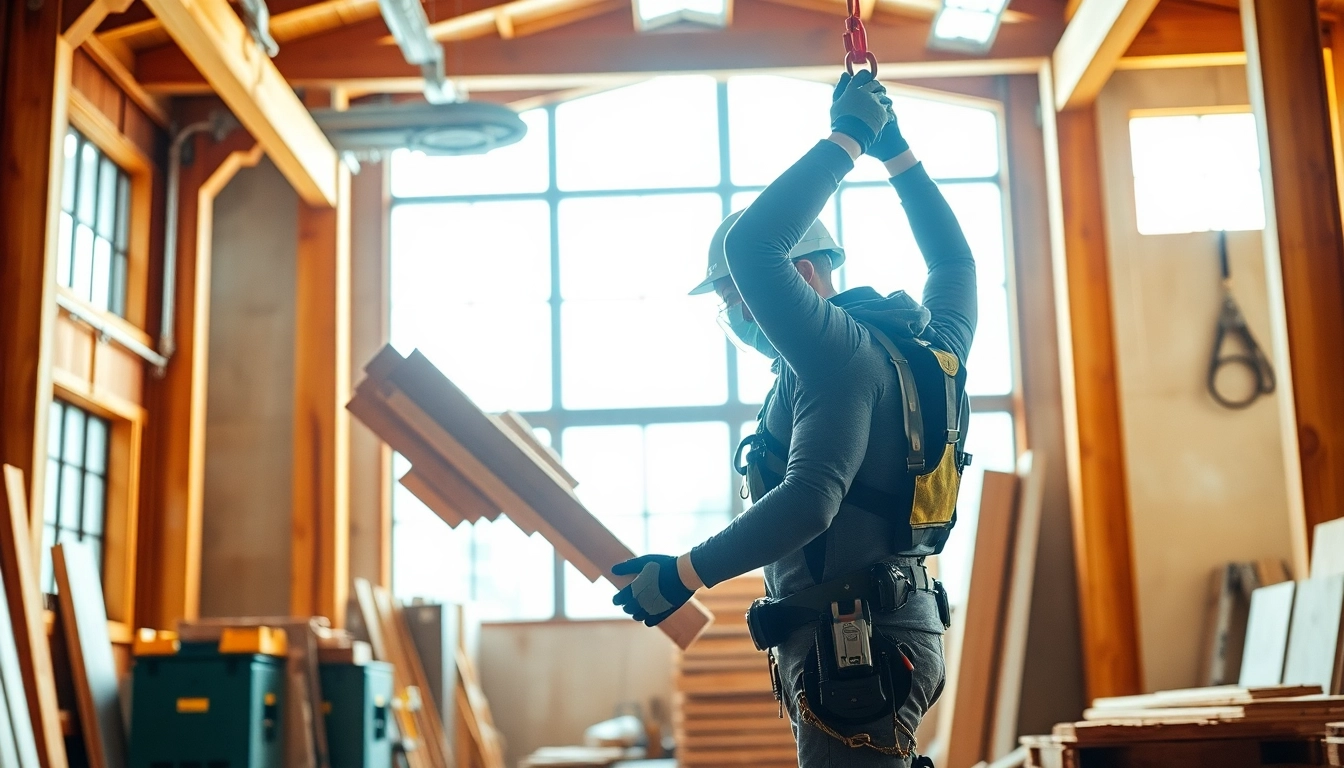
Understanding the festool exoskeleton: What It Is
Definition of festool exoskeleton
The festool exoskeleton is a revolutionary wearable device designed to assist workers in physically demanding tasks. By providing support and stability, this exoskeleton helps reduce the strain associated with heavy lifting, repetitive motions, and other labor-intensive activities. Unlike traditional lifting aids or ergonomic tools, the festool exoskeleton integrates advanced technologies to enhance human capabilities, enabling workers to perform their tasks more efficiently and with reduced risk of injury.
How festool exoskeleton Works
The operation of the festool exoskeleton relies on a combination of mechanical engineering and smart technology. It features a lightweight, yet robust frame that distributes weight and provides structural support to the user’s arms and back. Sensors embedded within the device monitor the user’s movements and provide real-time assistance. When a user bends, lifts, or reaches, the festool exoskeleton engages automatically, offering calculated resistance and support. The design emphasizes mobility and comfort, ensuring users can move freely while benefiting from reduced fatigue.
Key Features of festool exoskeleton
Some notable features of the festool exoskeleton include adjustable settings for various body sizes, rechargeable battery packs that ensure mobility without extended downtime, and an intuitive user interface that allows for easy customization according to individual preferences. Additionally, the exoskeleton is engineered with durable materials that withstand harsh working conditions, making it suitable for diverse environments, from construction sites to manufacturing floors.
Improved Ergonomics with festool exoskeleton
One of the primary advantages of using the festool exoskeleton is its potential to improve ergonomic conditions in the workplace. By providing support for the spine, arms, and other critical body parts, it reduces the incidence of discomfort and musculoskeletal disorders among employees. The design encourages proper posture, which is essential for long-term health and productivity. Workers can engage in their roles without the constant worry of physical strain deteriorating their performance or compromising their health.
Enhanced Productivity through festool exoskeleton
Productivity levels can significantly increase with the implementation of the festool exoskeleton. By alleviating the physical burden placed on workers, they are able to focus more on their tasks rather than on managing fatigue or discomfort. This increase in comfort can lead to higher levels of output and faster completion of projects. Moreover, the exoskeleton allows for longer work periods without breaks specifically related to physical exhaustion, thereby maximizing labor efficiency.
Safety Advantages of festool exoskeleton
Safety is paramount in any industry, and the festool exoskeleton plays a crucial role in enhancing workplace safety. By minimizing the risk of injury when lifting heavy objects or performing repetitive tasks, the exoskeleton reduces the likelihood of workplace accidents and associated costs. Companies also benefit from lower insurance premiums and reduced liability claims, as a safer work environment minimizes risks associated with employee injuries.
Construction Sector: Using festool exoskeleton
The construction industry is one of the primary beneficiaries of the festool exoskeleton. Workers involved in heavy lifting, carrying materials, and performing laborious tasks face significant physical demands. The exoskeleton alleviates these demands by providing assistance during repetitive motions, ultimately leading to improved efficiency and reduced fatigue. Additionally, it enhances the ability to work longer hours without experiencing the typical physical strain associated with construction environments.
Manufacturing Industry and festool exoskeleton
In manufacturing, the festool exoskeleton can streamline production processes. Workers often engage in repetitive tasks that can lead to chronic injuries. By incorporating the exoskeleton, manufacturers can reduce the physical toll on their employees, decreasing absenteeism due to injury and promoting a more sustainable workforce. Enhanced focus, accuracy, and speed in tasks contribute to overall factory output and lower operational costs.
Logistics: The Role of festool exoskeleton
Logistics operations require ample physical effort, from lifting packages to moving goods across warehouses. The festool exoskeleton serves as a transformative tool in this sector, allowing personnel to engage in their duties more effectively. With reduced strain during heavy lifting, logistics workers can maintain high performance levels while adhering to safety protocols. Overall, productivity and worker satisfaction see noticeable improvements.
Selecting the Right festool exoskeleton
Choosing the appropriate festool exoskeleton extends beyond just picking a model. Businesses should assess the specific needs of their workforce, including the types of tasks performed and the physical requirements of those tasks. Engaging staff for feedback during the selection process can also yield a more effective solution tailored to fit their comfort and operational necessities.
Training Employees on festool exoskeleton Usage
Proper training is essential to maximize the benefits of the festool exoskeleton. Employers should implement comprehensive training programs that cover the correct usage of the equipment, including adjustments, safety checks, and best practices for performance. Employees should feel confident and capable in their use of the equipment to ensure seamless integration into their daily routines.
Maintenance Tips for festool exoskeleton
Maintaining the festool exoskeleton is vital for its longevity and effectiveness. Regular inspections should be put in place to check for wear and tear, battery functionality, and general integrity of the structure. Establishing a routine servicing schedule ensures that any potential issues are addressed promptly, contributing to ongoing operational efficiency and reliability.
Measuring Productivity Gains with festool exoskeleton
To truly understand the impact of the festool exoskeleton, companies must develop a framework for measuring productivity gains. Key performance indicators (KPIs) should be established to evaluate output rates, worker fatigue levels, and tasks completed over a set period. Analyzing these metrics can provide insight into the exoskeleton’s effectiveness and help guide future operational decisions.
Assessing Safety Improvements with festool exoskeleton
It’s crucial to assess how the integration of the festool exoskeleton has impacted workplace safety. Employers should track incidents of workplace injuries both before and after its implementation. Conducting surveys to gauge employee satisfaction with safety conditions can also yield valuable feedback that informs ongoing safety initiatives.
Long-term Benefits of festool exoskeleton in Operations
The long-term benefits of utilizing the festool exoskeleton extend beyond immediate productivity and safety improvements. Organizations that invest in ergonomic solutions position themselves favorably in terms of employee retention, reduced healthcare costs, and overall workplace morale. A commitment to innovative solutions paves the way for a resilient workforce and a competitive edge in the industry. Successfully navigating these capabilities can lead to a significant transformation in operational efficiency.