
Effective Underground Leak Detection: Proven Solutions for 2025
Understanding Underground Leak Detection Techniques
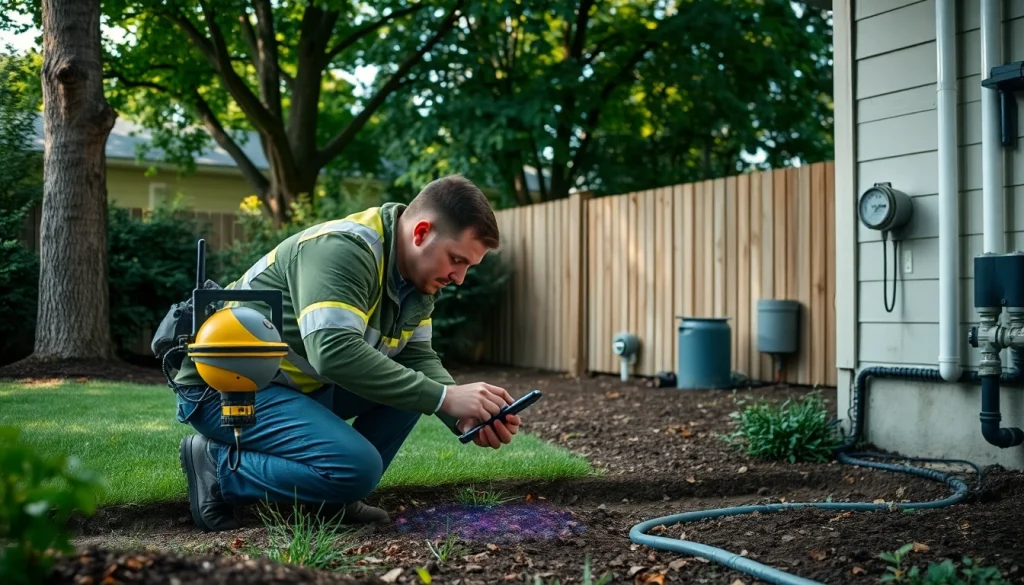
Underground leaks pose a significant challenge for homeowners and property managers alike. These hidden issues can lead to severe water damage, structural problems, and skyrocketing utility bills if not detected promptly. Effective underground leak detection is essential for maintaining the integrity of your plumbing systems and ensuring the safety of your property. In this guide, we will explore the various methods and technologies used in underground leak detection, identify common leak causes, and discuss the importance of early detection.
What Is Underground Leak Detection?
Underground leak detection refers to the process of identifying and locating leaks in sewer, water, and gas lines that are buried beneath the surface. These leaks can occur in both residential and commercial properties due to various factors such as ground movement, soil corrosion, or aging infrastructure. Detecting these leaks early is critical to prevent costly repairs and environmental hazards.
Common Causes of Underground Leaks
Understanding the causes of underground leaks can help in prevention and timely detection:
- Corrosion: Over time, pipes can corrode due to the chemical interaction with soil and water, leading to structural failure.
- Ground Movement: However natural, shifting soil and earthquakes can cause pipes to crack or break.
- Improper Installation: Poor installation practices can lead to weak joints that are prone to leaks.
- Age: As pipes age, they are more susceptible to leaks due to material fatigue and wear.
Importance of Early Leak Detection
Prompt leak detection is vital for several reasons:
- Cost Savings: Early identification of leaks can prevent extensive water damage and reduce repair costs.
- Environmental Protection: Reducing leaks helps prevent groundwater contamination, protecting the local ecosystem.
- Health and Safety: Undetected leaks can lead to mold growth and create hazardous living conditions.
Advanced Technologies in Leak Detection
With advancements in technology, various innovative methods have emerged for effective leak detection. These technologies enable professionals to locate leaks with greater accuracy and minimal disruption to the property.
How Thermal Imaging Works for Leak Detection
Thermal imaging cameras detect temperature variations caused by leaks. By scanning surfaces, these cameras identify areas where heat is escaping or where moisture is present, indicating a potential leak location. This non-invasive method is particularly useful for locating leaks behind walls or under floors.
Utilizing Acoustic Listening Devices
Acoustic listening devices amplify the sound of escaping water or gas through pipes. Technicians can use these tools to pinpoint the exact location of a leak based on the noise made by the escaping fluid. This method is essential for detecting leaks in hard-to-reach areas.
Benefits of Tracer Gas Detection Methods
Tracer gas detection involves introducing a safe, odorless gas into the pipes. The gas will escape at the point of the leak, allowing technicians to trace it back to its source. This method is especially effective for very small or inaccessible leaks that other methods might miss.
Challenges in Detecting Underground Leaks
While modern technologies have significantly improved our ability to detect underground leaks, certain challenges persist. Understanding these challenges can aid both technicians and homeowners in managing expectations during the detection process.
Identifying Hidden Leaks Without Damage
One of the primary challenges in underground leak detection is the need to locate leaks without causing damage to existing structures. Non-invasive methods are preferred, as they limit disruption to landscaping, concrete, and plumbing systems while still providing accurate results.
Cost Factors of Leak Detection Services
The cost of leak detection services can vary widely depending on several factors, including:
- The complexity of the leak’s location
- The technology used for detection
- The time required to complete the assessment
On average, professional leak detection services can range from £550 to £1,250, making it essential for homeowners to weigh the costs against potential damage and repairs.
Addressing Misconceptions About Leak Detection
Many misconceptions about leak detection can lead to delays in addressing potential issues:
- DIY Solutions: While some homeowners may attempt to detect leaks on their own, professional assessment is necessary for accurate diagnosis.
- Invasive Procedures: Modern leak detection technologies significantly reduce the need for invasive inspections.
- Quick Fixes: Leak detection is a detailed process that requires time and expertise for effective results.
Best Practices for Homeowners
Homeowners play a crucial role in the maintenance of their plumbing systems. Familiarizing themselves with best practices can mitigate potential leak issues:
How to Prepare for a Leak Detection Service
Before a leak detection service appointment, homeowners should:
- Clear the area around suspected leak locations.
- Provide access to any relevant plumbing systems.
- Document any signs of leaks, such as damp spots or unusual sounds.
Signs of Potential Underground Leaks
Recognizing the early signs of leaks can prompt timely action:
- Unexplained damp patches on walls or ceilings.
- Increased water bills without changes in usage.
- Mold or mildew presence in typically dry areas.
- Low water pressure or fluctuations in flow.
Maintaining Your Plumbing Systems
Regular maintenance of plumbing systems can help prevent leaks. Homeowners should consider the following measures:
- Regular inspections of visible pipes for signs of wear.
- Flushing out water heaters to reduce sediment buildup.
- Monitoring water pressure and addressing irregularities promptly.
Future Trends in Leak Detection Technologies
The field of leak detection is continually evolving, with new technologies emerging to improve accuracy and efficiency. Staying informed about these advancements can aid homeowners in making educated choices about their plumbing systems.
Emerging Technologies to Watch in 2025
As technology progresses, we can expect to see advancements such as:
- Enhanced AI algorithms that improve the accuracy of leak detection tools.
- Smart home integration, allowing for real-time monitoring of plumbing systems.
- Advanced sensors capable of predicting potential leaks before they occur.
Integrating AI in Leak Detection Services
Artificial intelligence is set to revolutionize leak detection. By analyzing historical data, AI can predict leak occurrences and provide insights into maintenance needs, enabling proactive measures that save time and money.
Environmental Impacts and Sustainable Practices
With growing concerns about the environment, leak detection practices are also becoming more sustainable. Utilizing non-invasive methods and eco-friendly technologies ensures that leak detection services are both effective and environmentally responsible.
In conclusion, effective underground leak detection is essential for safeguarding your property and ensuring the longevity of your plumbing systems. By understanding the causes of leaks, utilizing advanced detection technologies, and implementing best practices for maintenance, homeowners can protect their investments and contribute to a more sustainable future.