
Mastering Sports Broadcasting: Techniques for Engaging Audiences and Maximizing Reach
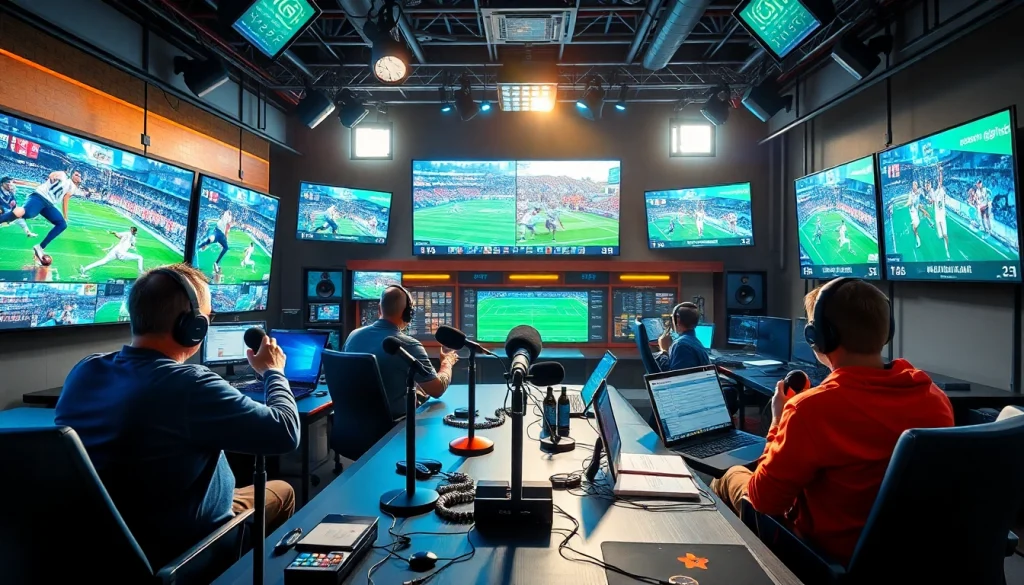
Understanding the Basics of Sports Broadcasting
What is Sports Broadcasting?
Sports Broadcasting refers to the dissemination of sports events and related content to an audience through various mediums, such as television, radio, and online platforms. This dynamic industry encompasses both live and recorded broadcasts, ensuring that fans have access to their favorite games, highlights, and analyses. The rise of digital platforms has transformed traditional broadcasting, allowing for innovative ways to engage audiences, such as streaming services and social media. To get a grasp of these developments in a comprehensive manner, exploring the Sports Broadcasting landscape is essential.
Key Roles in Sports Broadcasting
Within sports broadcasting, various roles contribute significantly to the overall experience. The primary roles include:
- Commentators: These individuals provide live narration, analysis, and background information during a game, enhancing the viewer’s understanding and enjoyment of the sport.
- Producers: Responsible for the overall strategy and execution of broadcasts, producers coordinate the numerous moving parts of a live show.
- Camera Operators: Essential for capturing the action, camera operators possess a keen eye and technical skills to ensure image quality and effective framing.
- Editors: Editors work post-broadcast to create highlights and summaries, employing storytelling techniques to engage the audience further.
- Analysts: Providing insights based on data and experience, analysts enhance the commentary, adding depth to the discussion.
Essential Skills for Sports Broadcasters
Professionals in sports broadcasting require a diverse set of skills to thrive in this competitive field. Key skills include:
- Communication: Articulating thoughts clearly and engagingly is crucial, both on-air and during interaction with crew and fans.
- Technical Proficiency: Familiarity with broadcasting equipment, software, and live streaming technology enhances the quality of productions.
- Research and Analysis: Broadcasters should possess the ability to analyze games, know statistics, and provide context that enriches viewer understanding.
- Adaptability: Live broadcasting is unpredictable, so the ability to improvise and adapt to shifting circumstances is vital.
- Audience Engagement: The capacity to connect with viewers through relatable storytelling and social media interactions is essential for growing audience loyalty.
The Technology Behind Sports Broadcasting
Equipment Used in Sports Broadcasting
The technological landscape of sports broadcasting is continually evolving. Key equipment includes:
- Cameras: High-definition cameras with advanced capabilities, like 4K and 360-degree features, are standard for capturing every angle of live events.
- Microphones: Quality microphones, including lapel and shotgun varieties, ensure clear audio capture during broadcasts.
- Mixing Consoles: These enable sound engineers to control and adjust live sounds, creating a balanced audio experience for viewers.
- Graphics Software: Graphics packages are vital for displaying scores, player stats, and other essential information seamlessly during broadcasts.
- Streaming Equipment: For online broadcasts, encoding devices and reliable internet connections ensure high-quality content delivery without interruptions.
Broadcasting Software and Tools
Beyond hardware, various software solutions enhance sports broadcasting. Key software and tools include:
- Production Software: Tools like Adobe Premiere Pro and Final Cut Pro enable editors to create polished highlights and packages.
- Live Streaming Platforms: Services such as OBS Studio and SlingStudio facilitate live broadcasts on digital channels, reaching a broader audience.
- Telemetry Software: This type of software tracks player performance and game statistics, providing data essential for analysts and commentators.
- Social Media Management Tools: Platforms like Hootsuite streamline social media engagement, allowing broadcasters to connect with fans across channels more effectively.
- Content Management Systems: These systems organize and manage video content and archives, ensuring easy access for editors and producers.
Live Streaming vs. Traditional Broadcasting
The divide between live streaming and traditional broadcasting is increasingly blurred. Each method offers unique advantages:
- Live Streaming: Provides immediate access to events across multiple devices, allowing fans to watch wherever they are. This method often caters to younger audiences who favor mobile and on-demand access.
- Traditional Broadcasting: Typically features higher production values, established distribution networks, and established viewer bases through cable and satellite. This method also often commands significant advertising revenues.
As audiences become more accustomed to the immediacy of streaming, sports broadcasters must adapt their strategies to blend both methods effectively.
Techniques to Enhance Audience Engagement
Storytelling in Sports Broadcasting
Engaging storytelling forms the backbone of compelling sports broadcasts. It involves crafting narratives that resonate with viewers. Techniques include:
- Personal Stories: Highlighting athlete backgrounds and personal journeys creates emotional connections with fans.
- Dramatic Moments: Utilizing replays and commentary to enhance the recounting of pivotal game moments keeps viewers on the edge of their seats.
- Historical Context: Relating current matches to historical rivalries or events enriches the narrative and offers continuity to the audience.
Using Social Media to Connect with Fans
Social media’s reach and immediacy provide broadcasters with invaluable opportunities for fan engagement. Effective strategies include:
- Real-Time Updates: Sharing live scores, highlights, and commentary helps keep fans engaged during broadcasts.
- Behind-the-Scenes Content: Offering sneak peeks into preparations or team discussions creates a more intimate connection with viewers.
- Fan Polls and Interactions: Engaging with fans through questions and polls enhances community participation and loyalty.
Creating Interactive Viewing Experiences
Technology allows broadcasters to create interactive experiences that engage audiences beyond passive viewing:
- Second-Screen Experiences: Apps and websites that accompany live broadcasts provide stats, alternate angles, or polls to enhance viewer engagement.
- Virtual Reality: VR technology offers a revolutionary way to experience games, allowing fans to feel as though they are in the arena.
- Live Chats: Fostering live discussions during games keeps the conversation going and encourages community interaction.
Challenges in Sports Broadcasting and How to Overcome Them
Adapting to Technological Changes
With technology evolving rapidly, broadcasters face the challenge of staying current. Overcoming this obstacle involves:
- Continuous Training: Providing training and resources for staff to familiarize themselves with new technology ensures smooth transitions.
- Flexible Strategies: Developing adaptable broadcasting plans allows for quick incorporation of new tech without disrupting content flow.
- Feedback Mechanisms: Implementing systems for broadcasting staff to share insights and suggestions helps in identifying practical technology solutions.
Managing Live Broadcasts and Unexpected Events
Live broadcasting often entails unexpected challenges. Effective management strategies include:
- Robust Contingency Planning: Preparing for potential issues with backup plans, alternative feeds, or additional commentary can help mitigate disruptions.
- Effective Communication: Ensuring all staff are aware of contingency protocols and communication channels is crucial for rapid response to issues.
- On-the-Spot Decision-Making: Train broadcasters to think critically and make quick decisions during live events, ensuring continuity and quality.
Ensuring Compliance and Ethical Standards
Maintaining compliance with regulations and ethical standards is essential in broadcasting. Steps include:
- Regular Training: Providing legal and ethical training to staff helps mitigate potential risks associated with broadcasting content.
- Content Review Processes: Establishing protocols for reviewing all content before broadcasts ensures compliance with regulations and standards.
- Transparency: Being open about broadcasting practices and content origins builds trust with audiences and stakeholders.
Measuring Success in Sports Broadcasting
Key Performance Indicators (KPIs)
To gauge the effectiveness of broadcasts, utilizing KPIs is essential. Important metrics include:
- Viewership Ratings: Metrics such as average viewership and peak concurrent viewers offer insight into audience engagement.
- Social Media Engagement: Analyzing likes, shares, and comments during broadcasts helps measure viewer interaction and sentiment.
- Advertising Revenue: Monitoring ad sales and sponsorship revenue indicates the financial health of a sports broadcasting operation.
Analyzing Audience Feedback
Audience feedback is invaluable for continuous improvement. Techniques include:
- Surveys and Polls: Regularly distributing surveys helps identify viewer preferences and areas for enhancement.
- Monitoring Social Media: Analyzing comments and mentions on social media platforms offers real-time insights into audience sentiment.
- Focus Groups: Conducting focus group sessions provides in-depth perspectives on viewer experiences and recommendations.
Continuous Improvement Strategies
Embracing a culture of continuous improvement is vital for success in sports broadcasting:
- Regular Performance Reviews: Conducting reviews of broadcasts to assess strengths and weaknesses facilitates ongoing growth.
- Staying Informed: Keeping up with industry trends and competitor strategies can reveal opportunities for innovation.
- Encouraging Creativity: Fostering an environment that encourages out-of-the-box thinking can lead to unique broadcast solutions that enhance viewer experience.
Frequently Asked Questions
What is the primary function of sports broadcasters?
Sports broadcasters inform and entertain audiences by providing play-by-play commentary, analysis, and insights during live sports events.
How do sports broadcasters prepare for an event?
They conduct extensive research on teams, players, and statistics, prepare scripts, and often hold production meetings to coordinate efforts.
What role does social media play in sports broadcasting?
Social media facilitates real-time engagement, allowing broadcasters to connect with fans instantly and share highlights or updates during events.
What are common technical challenges in sports broadcasting?
Technical challenges include equipment malfunctions, connectivity issues, and managing unexpected interruptions during live broadcasts.
How do broadcasters measure audience engagement?
They utilize KPIs like viewership ratings, social media interactions, and feedback surveys to assess audience engagement and satisfaction.