Expert Slab Leak Detection: Essential Steps to Protect Your Home
Understanding Slab Leak Detection
What is Slab Leak Detection?
Slab leak detection refers to the process used to identify leaks that occur beneath the concrete slab of a building. These leaks often go unnoticed until they cause significant damage, making prompt detection crucial for homeowners. A slab leak can affect water pipes, sewer lines, and even gas lines, leading to severe structural issues if not addressed promptly. Professionals harness various techniques to pinpoint these hidden leaks, ensuring that timely repairs can be made to lessen the impact.
The complexity of slab leak detection lies in its concealed nature; leaks may be hidden beneath layers of concrete, requiring specialized equipment and expertise to locate. Understanding the fundamentals of Slab Leak Detection can empower homeowners to recognize signs of trouble before they escalate into more significant issues.
Common Causes of Slab Leaks
Slab leaks can arise from various factors, each contributing to the deterioration of the structural integrity of a home. Here are some common causes:
- Corrosion of Pipes: Over time, pipes can corrode, particularly if they are made from materials susceptible to rust or decay. Chemical reactions with water or surrounding soil can accelerate this deterioration.
- Ground Movement: Natural shifts in the soil, whether from erosion, settling, or seismic activity, can create pressure on underground pipes, leading to cracks and leaks.
- Improper Installation: Poorly installed plumbing systems can result in stress on pipes, especially at joints or bends, which may eventually cause leaks.
- Temperature Changes: Extreme fluctuations in temperature can cause the ground around pipes to expand and contract, leading to potential ruptures as the material ages.
Importance of Early Detection
Detecting slab leaks at an early stage is critical for preventing extensive damage to both health and property. Early intervention can save homeowners substantial repair costs and protect the home’s structural integrity. Water accumulation can also lead to mold growth, which poses serious health risks to occupants. Additionally, the sooner a leak is found, the easier and less invasive the repair solutions tend to be, often involving minimal disruption to the home.
Signs of a Slab Leak in Your Home
Identifying Water Damage Indications
One of the most obvious signs that you may be dealing with a slab leak is water damage. You might notice:
- Wet spots on floors or carpet, which may suggest pooling water.
- Water stains on walls or ceilings, indicating networks of moisture that can develop from a leak.
- Unpleasant odors, which can result from mold or mildew growing in damp areas.
Unusual Water Bill Increases
A sudden spike in your water bill can be a sign of a slab leak. If you haven’t increased your water usage but notice an escalation in costs, it may be time to investigate. This abnormal usage points to hidden water loss somewhere in your plumbing system.
Physical Changes in Flooring
Changes in flooring can reveal significant issues that indicate slab leaking. Homeowners may observe:
- Cracked tiles, buckling wood, or warped laminate can suggest excessive moisture beneath the surface.
- Uneven flooring, which can be a sign of shifting soil or water accumulation that affects the foundational structure of the home.
Methods and Technologies for Slab Leak Detection
Traditional vs. Modern Detection Techniques
Slab leak detection has evolved significantly with advancements in technology. Traditional methods may include visual inspections or utilizing pressure tests to monitor leaks. However, these techniques often lack precision and can lead to destructive investigative measures.
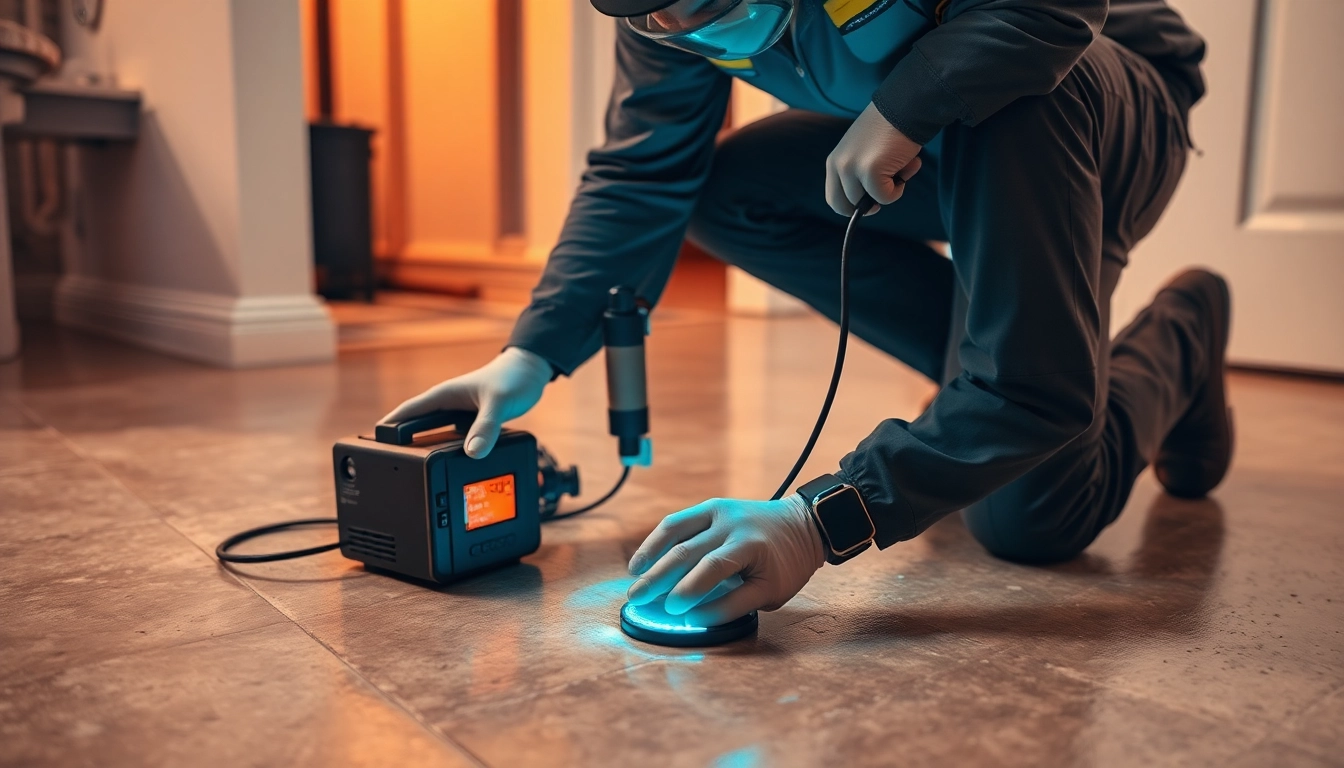
Modern techniques include non-invasive methods, such as acoustic detection, where technicians use sound to locate leaks, or physical inspections using advanced cameras. These methods are far more efficient, reducing the time and damage associated with leak detection.
Using Thermal Imaging for Accurate Readings
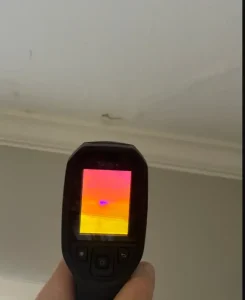
Thermal imaging technology has become a game changer in slab leak detection. Infrared cameras can detect temperature variations in flooring, which can indicate the presence of water or moisture below the surface. This method is not only fast and efficient but also non-invasive, preventing unnecessary damage to the property while accurately uncovering leaks.
Benefits of Professional Leak Detection Services
While homeowners may feel tempted to handle slab leak detection independently, opting for professional services offers numerous advantages:
- Expertise: Professional technicians possess specialized training and experience to handle leak detection efficiently.
- Advanced Equipment: Access to the latest technologies ensures that detection is precise and minimally invasive.
- Comprehensive Assessment: Professionals often provide detailed reports with additional recommendations for prevention and maintenance.
How to Prevent Slab Leaks
Regular Maintenance Tips
Preventing slab leaks requires a proactive approach through regular maintenance. Homeowners can implement several strategies, including:
- Conducting routine inspections of plumbing systems, including checking for leaks and ensuring proper insulation.
- Being vigilant about the water bill and monitoring usage to catch any abnormalities early.
- Utilizing reputable plumbers for any repairs, ensuring they follow best practices to prevent future mishaps.
Benefits of Professional Inspections
Investing in periodic professional plumbing inspections can provide invaluable benefits. These inspections can identify potential risk factors such as aging pipes or weak points resulting from ground movement, allowing homeowners to address issues preemptively.
Installing Leak Detection Sensors
Modern technology allows the integration of leak detection sensors within a home’s plumbing system. These sensors can provide real-time alerts to homeowners, significantly mitigating the risk of undetected leaks. Implementing such technology can offer peace of mind in an age where preventive measures play a crucial role in safeguarding homes.
Next Steps After Identifying a Slab Leak
Choosing the Right Repair Method
Once a slab leak has been confirmed, choosing a suitable repair method is essential. Options may include traditional excavation to expose and fix the leak, which can be disruptive but effective, or modern techniques like pipelining, where a new pipe is inserted into the old one, causing minimal interruption to the home’s structure.
Estimating Repair Costs and Options
Understanding the potential costs involved in slab leak repairs can help homeowners plan appropriately. Costs can vary widely based on the accessibility of the leak, the method chosen for repair, and potential damage resulting from the leak itself. Having a detailed quote and breakdown of all costs beforehand can alleviate financial surprises for homeowners.
Maintaining Your Home After Repairs
After repair work is completed, it’s critical for homeowners to stay vigilant and maintain their plumbing systems effectively. Regular inspections, maintaining a consistent water pressure, and remaining aware of any changes in water bills or moisture levels in the home can help prevent future issues related to slab leaks.